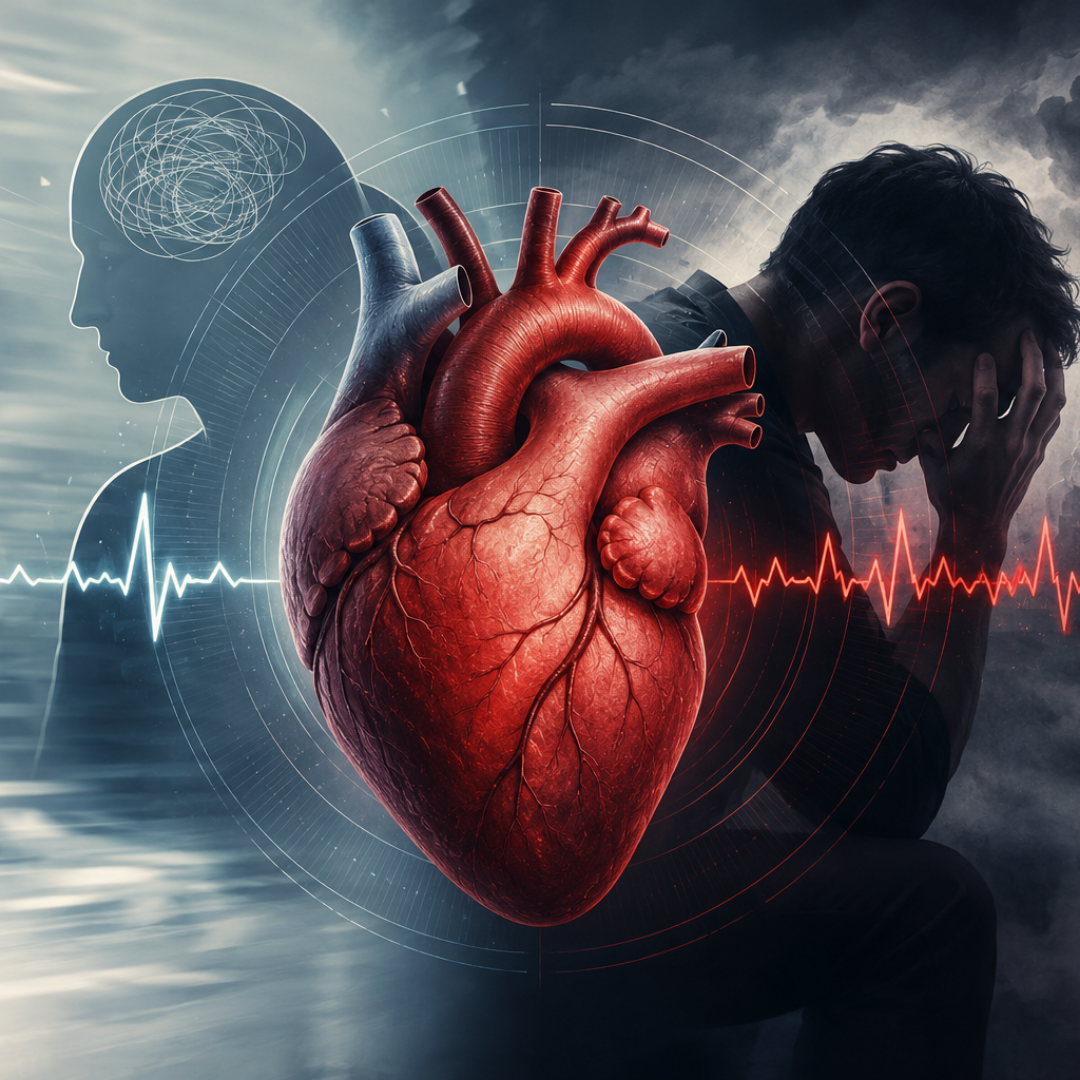
In today's fast-paced lifestyle, many people accept stress as a normal part of life. However, Dr. Pankaj Patil (MD, DM Cardiology), a cardiologist with 15+ years of experience at Rhythm Heart & Diet Clinic, Kalyan and Thane, explains that chronic stress should never be considered normal for your heart. While occasional stress is a natural response, long-term emotional and mental stress can silently increase blood pressure, elevate heart rate, and significantly raise the risk of heart disease and heart attacks.
What Happens to Your Heart During Stress?
When you're stressed, your body releases hormones like adrenaline and cortisol. These hormones prepare your body for the "fight or flight" response by making your heart beat faster and narrowing blood vessels.
Short-term effects include:
- Increased heart rate
- Higher blood pressure
- Faster breathing
- Increased demand for oxygen by the heart
These changes are usually temporary. The real problem begins when stress becomes a daily habit.
How Chronic Stress Damages the Heart
Unlike brief stress, chronic stress keeps your body in a constant state of alertness. Over time, this can affect your cardiovascular system in several ways.
1. Persistent High Blood Pressure
Continuous stress causes blood vessels to remain tighter than normal. This increases blood pressure and forces the heart to work harder. Uncontrolled hypertension is one of the leading risk factors for stroke, heart failure, and kidney disease.
2. Increased Resting Heart Rate
A consistently elevated heart rate puts extra strain on the heart muscle. Over months and years, this may contribute to irregular heart rhythms and reduced cardiovascular efficiency.
3. Higher Risk of Heart Attack
Stress doesn't directly cause every heart attack, but it increases the risk by triggering inflammation, raising blood pressure, encouraging unhealthy habits, and affecting cholesterol metabolism. People under prolonged stress are also more likely to smoke, overeat, sleep poorly, or avoid exercise—all of which further increase heart attack risk.
4. Warning Signs You Shouldn't Ignore
Stress-related heart symptoms can sometimes resemble anxiety, making them easy to dismiss. Consult a cardiologist in Kalyan or Thane if you experience:
- Frequent chest discomfort
- Palpitations or rapid heartbeat
- Persistent high blood pressure
- Shortness of breath during mild activity
- Unusual fatigue or dizziness
Early evaluation can help identify whether symptoms are stress-related or signs of an underlying heart condition.
5. Heart-Healthy Ways to Manage Stress
Managing stress is just as important as controlling cholesterol or blood pressure. Here are simple habits that protect your heart:
- Exercise regularly: Even 30 minutes of brisk walking most days helps reduce stress hormones and improves heart health.
- Prioritize quality sleep: Aim for 7–8 hours of restful sleep to regulate blood pressure and heart rate.
- Practice deep breathing or meditation: Just 10 minutes daily can calm the nervous system and lower stress levels.
- Eat a balanced diet: Include fruits, vegetables, whole grains, and healthy fats while limiting processed foods and excess salt.
- Stay connected: Talking with family, friends, or a healthcare professional can significantly reduce emotional stress.
When Should You See a Cardiologist?
If your blood pressure remains high despite lifestyle changes, or if stress is accompanied by chest pain, palpitations, or breathlessness, don't delay medical consultation. Regular heart check-ups are especially important for individuals with diabetes, hypertension, obesity, or a family history of heart disease.
At Rhythm Heart & Diet Clinic, comprehensive cardiac evaluation helps identify risk factors early and guides patients toward long-term heart wellness through preventive cardiology and personalized treatment.
Conclusion
Stress may be common, but it is not harmless for your heart. Chronic stress silently affects blood pressure, heart rate, and overall cardiovascular health, increasing the likelihood of serious heart problems. The good news is that timely lifestyle changes and regular cardiac screening can greatly reduce these risks. Taking care of your mental well-being is also taking care of your heart.
Frequently Asked Questions
1. Can stress permanently increase blood pressure?
Yes. Chronic stress can contribute to long-term high blood pressure, especially when combined with unhealthy lifestyle habits.
2. Does anxiety cause heart attacks?
Anxiety alone may not directly cause a heart attack, but prolonged stress and anxiety can increase cardiovascular risk.
3. Can stress cause a fast heartbeat?
Yes. Stress hormones often increase heart rate, and frequent episodes should be evaluated by a cardiologist.
4. How can I reduce stress for better heart health?
Regular exercise, adequate sleep, meditation, a healthy diet, and routine heart check-ups are highly effective.
5. When should I consult Dr. Pankaj Patil?
If you have persistent high blood pressure, chest discomfort, palpitations, or other heart-related symptoms, schedule a cardiac evaluation at Rhythm Heart & Diet Clinic in Kalyan or Thane.
Stress Isn't “Normal” for the Heart
Book a heart evaluation with Dr Pankaj Patil at Rhythm Heart & Diet Clinic, Kalyan or Thane.
Book an AppointmentDisclaimer: This article is for general awareness. Please consult a heart specialist or cardiologist near you for personalised medical advice.